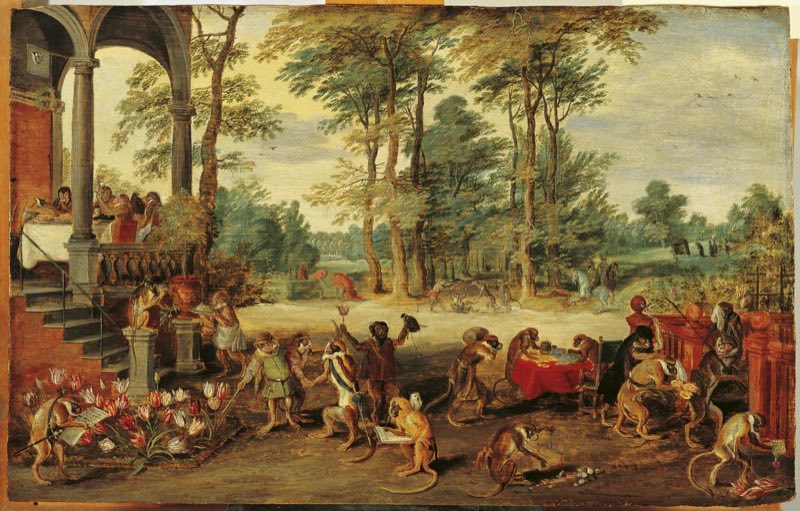
Photo: Jan Brueghel the Younger · Public domain
Tulip mania
Tulip mania was a rush of trading in tulip bulbs in the Dutch Republic that peaked in the winter of 1636 to 1637. It is often called the first recorded speculative bubble.
- Peak
- Winter of 1636 to 1637
- Collapse
- First week of February 1637
- Most famous bulb
- Semper Augustus
A new luxury
Tulips reached the Netherlands from the Ottoman Empire in the late 1500s. Their strong colours were unlike any flower Europeans grew, and rare varieties became a mark of wealth among merchants of the Dutch Golden Age.
The wind trade
Bulbs stay in the ground most of the year, so traders bought and sold contracts for bulbs to be delivered in summer. By 1636 these contracts changed hands many times in taverns, often without money. The Dutch called it windhandel, the wind trade.
How bad was it
Later writers described ruin across the country. The historian Anne Goldgar, working from Dutch court and notary records, found in 2007 that few people went bankrupt and the wider economy was barely touched. Most contracts were simply never honoured. Painters mocked the traders all the same, some by drawing them as monkeys.