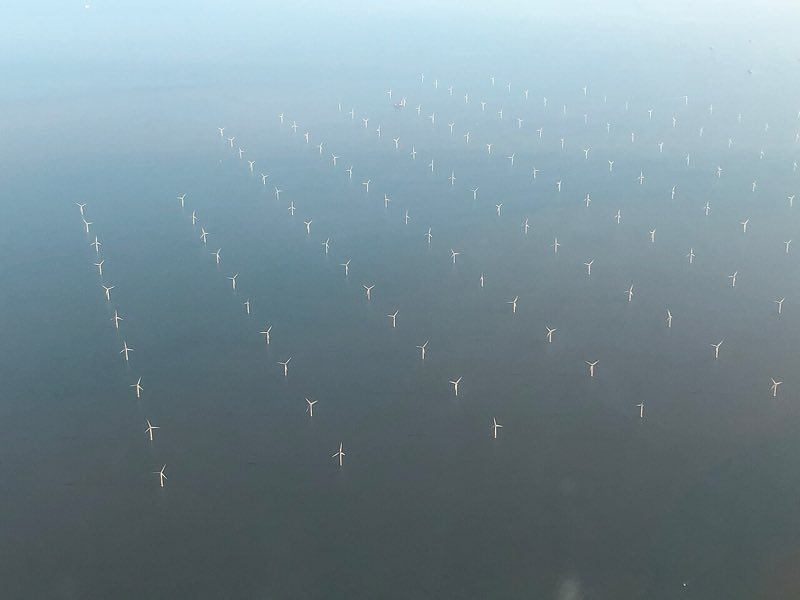
Photo: Bodgesoc · CC BY-SA 4.0
Project finance
Project finance is a way of paying for a large project, such as a power plant or a toll road, with loans that are repaid only from the money the project itself earns.
- Borrower
- A company created only for the project
- Repaid from
- The project’s own income
- Typical debt
- 70 to 90 percent of the cost
How it works
The owners, called sponsors, set up a new company that owns nothing but the project. That company borrows the money. If the project fails, lenders can take the project but usually cannot reach the sponsors’ other assets. This is called non-recourse or limited-recourse lending, and it lets sponsors build something far larger than their own balance sheets could carry.
Contracts carry the risk
Because income is the only source of repayment, every large risk is handed to whoever can best bear it. A builder signs a fixed-price contract. A buyer signs a long contract to take the output, such as the electricity of an offshore wind farm, at an agreed price. Lenders then check that expected income covers each loan payment with room to spare.
Where it is used
The modern form took shape in the 1970s, when banks lent against oil fields in the North Sea. It now pays for power plants, pipelines, airports, roads and wind farms around the world. The Channel Tunnel was built this way, with loans from more than 200 banks and no government money.